
Home
 English
- All
- Product Name
- Product Keyword
- Product Model
- Product Summary
- Product Description
- Multi Field Search
English 
Views: 0 Author: Site Editor Publish Time: 2025-11-08 Origin: Site


Lighting is one of the most transformative elements in home design. The right light can make a small room feel spacious, a stark room feel warm, and a good design look exceptional. Modern LED wall lights, in particular, offer a unique blend of style, efficiency, and functionality that can elevate any space.
Choosing the perfect modern LED wall light, however, can feel overwhelming. With countless styles, color temperatures, and features available, where do you even begin? This guide will walk you through everything you need to know, from understanding the benefits of LED technology to selecting the right fixture for every room in your home. By the end, you'll be equipped to make an informed decision that brightens your space for years to come.
Before we explore how to choose a fixture, let's look at why modern LED wall lights have become a go-to for designers and homeowners alike. They offer significant advantages over traditional lighting options like incandescent or halogen bulbs.
Energy Efficiency: LED lights are the champions of energy savings. They consume up to 80% less energy than traditional incandescent bulbs while producing the same amount of light (lumens). This efficiency translates directly into lower electricity bills, making them a smart long-term investment.
Long Lifespan: An LED bulb can last up to 25,000 hours or more. That's over a decade of use if you have it on for six hours a day. This long lifespan means you'll spend less time on a ladder changing bulbs and less money on replacements.
Design Flexibility: Because LED diodes are so small, they can be integrated into a vast array of creative and minimalist designs. This has allowed designers to create sleek, sculptural, and innovative wall lights that were not possible with bulky traditional bulbs. You'll find everything from slim, linear fixtures to abstract artistic installations.
Cool to the Touch: Unlike incandescent bulbs that release most of their energy as heat, LEDs produce very little heat. This makes them safer, especially in homes with children or pets, and ideal for use near delicate materials like artwork or fabrics.
Selecting the right modern LED wall light involves more than just picking a style you like. To ensure it fits your needs perfectly, consider these four key factors.
First, ask yourself: what do I need this light to do? Wall lights serve three primary functions in a room.
Ambient Lighting: This is the general, overall illumination of a space. Wall sconces that cast light upwards or downwards (uplights/downlights) are excellent for creating a soft, diffuse glow that makes a room feel welcoming.
Task Lighting: This is focused light for specific activities like reading, cooking, or applying makeup. For this purpose, choose an adjustable or directional wall light, such as a swing-arm sconce next to a bed or a linear light above a bathroom mirror.
Accent Lighting: This type of lighting is used to highlight specific features, like a piece of art, a textured wall, or an architectural detail. A picture light or a narrow-beam spotlight is perfect for drawing attention and adding a layer of visual interest.
Understanding brightness and color temperature is crucial for setting the right mood.
Brightness is measured in lumens, not watts. The higher the lumen count, the brighter the light. Here's a quick reference table:
Room Type | Recommended Lumens (per fixture) |
|---|---|
Living Room / Bedroom | 250 - 500 lumens |
Bathroom (vanity) | 700 - 800 lumens |
Hallway / Entryway | 200 - 400 lumens |
Kitchen (task areas) | 450 - 650 lumens |
Color Temperature is measured in Kelvins (K) and describes how warm (yellow) or cool (blue) the light appears.
Color Temperature | Mood / Best Use |
|---|---|
Warm White (2700K - 3000K) | Cozy and inviting. Ideal for living rooms, bedrooms, and dining areas. |
Neutral White (3500K - 4000K) | Bright and clean. Great for kitchens, bathrooms, and home offices. |
Cool White (4500K - 6500K) | Crisp and energizing. Best for garages, workspaces, and commercial settings. |
For most homes, a warm white temperature (around 3000K) is a safe and versatile choice that complements modern aesthetics while still feeling comfortable.
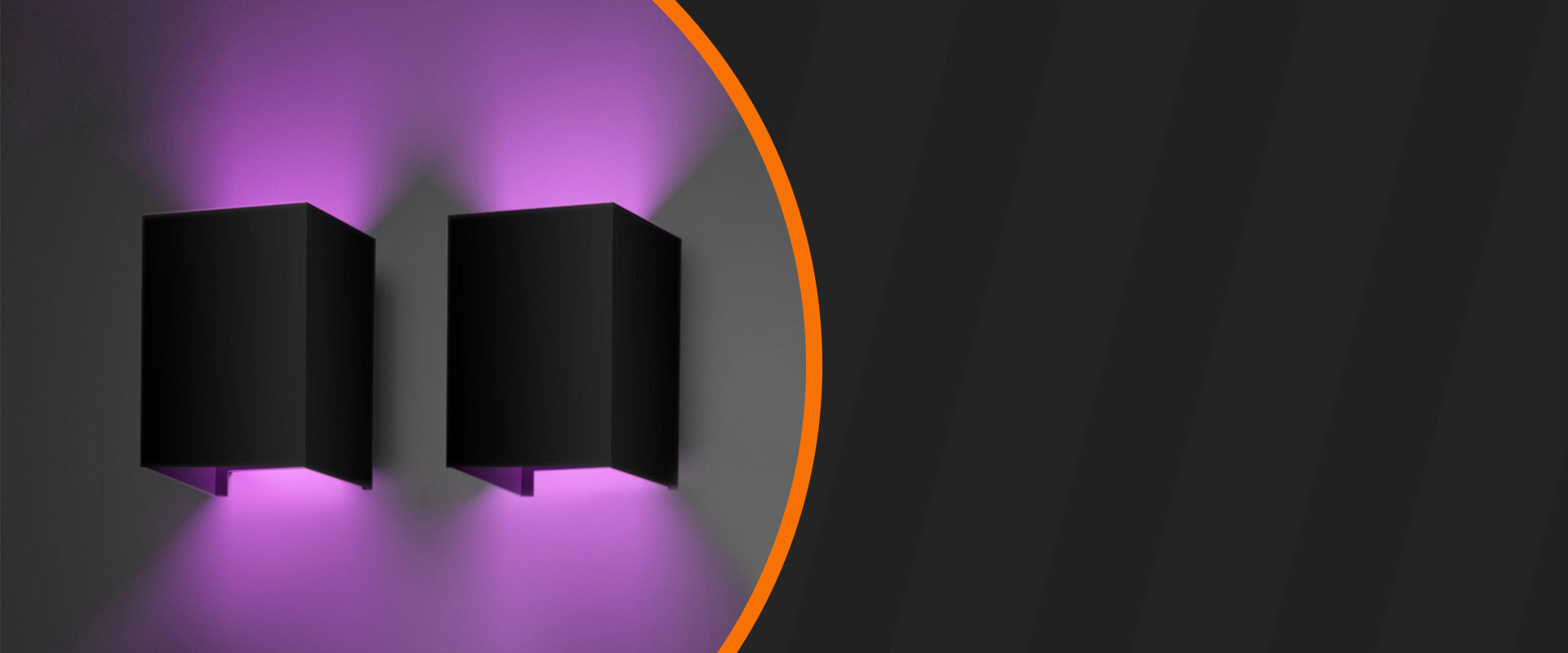
Modern design is a broad category. Your choice of wall light should complement your existing decor. Here are a few popular substyles to consider:
Minimalist: Characterized by clean lines, simple geometric shapes (squares, circles, lines), and a neutral color palette. Materials often include matte black or white metal, brushed aluminum, and simple acrylic.
Industrial: This style draws inspiration from factories and warehouses. Look for fixtures with exposed components, raw materials like steel and concrete, and finishes like brushed nickel or antique brass.
Mid-Century Modern: Features organic shapes, playful designs, and a mix of materials like wood, brass, and glass. Think globe sconces or sputnik-style fixtures.
Artistic/Sculptural: These lights double as art installations. They often feature abstract forms, unique materials, and dynamic compositions that make a bold statement.
The material of the fixture not only affects its look but also its durability, especially in areas like bathrooms where moisture resistance is important.
The scale of your wall light should be proportionate to the space. A tiny sconce will look lost on a large wall, while an oversized fixture can overwhelm a small room.
Height: A general rule is to hang wall sconces at eye level, which is typically between 60 and 66 inches from the floor. For hallways, this prevents the light from shining directly into your eyes.
Spacing: If you're using multiple lights, for example, on either side of a mirror or a piece of art, space them about 30-36 inches apart.
Proportion: Consider the size of the wall and surrounding furniture. The fixture should be a complementary element, not a distracting one. Before you buy, you can cut a piece of paper to the size of the fixture and tape it to the wall to visualize how it will look.
A modern LED wall light is an excellent addition to any room. Here are some final tips to guide you:
For your living room, consider dimmable wall lights to easily adjust the atmosphere from bright and social to soft and relaxing.
In the bedroom, a pair of swing-arm sconces beside the bed provides perfect task lighting for reading without taking up nightstand space.
For your bathroom, choose a linear LED light above the mirror for even, shadow-free illumination. Ensure it has a "damp" rating for safety.
In the hallway, uplight or downlight sconces create a welcoming path and can make the space feel taller and more open.
By carefully considering function, brightness, style, and placement, you can confidently choose a modern LED wall light that not only illuminates your home but also enhances its beauty and character.


